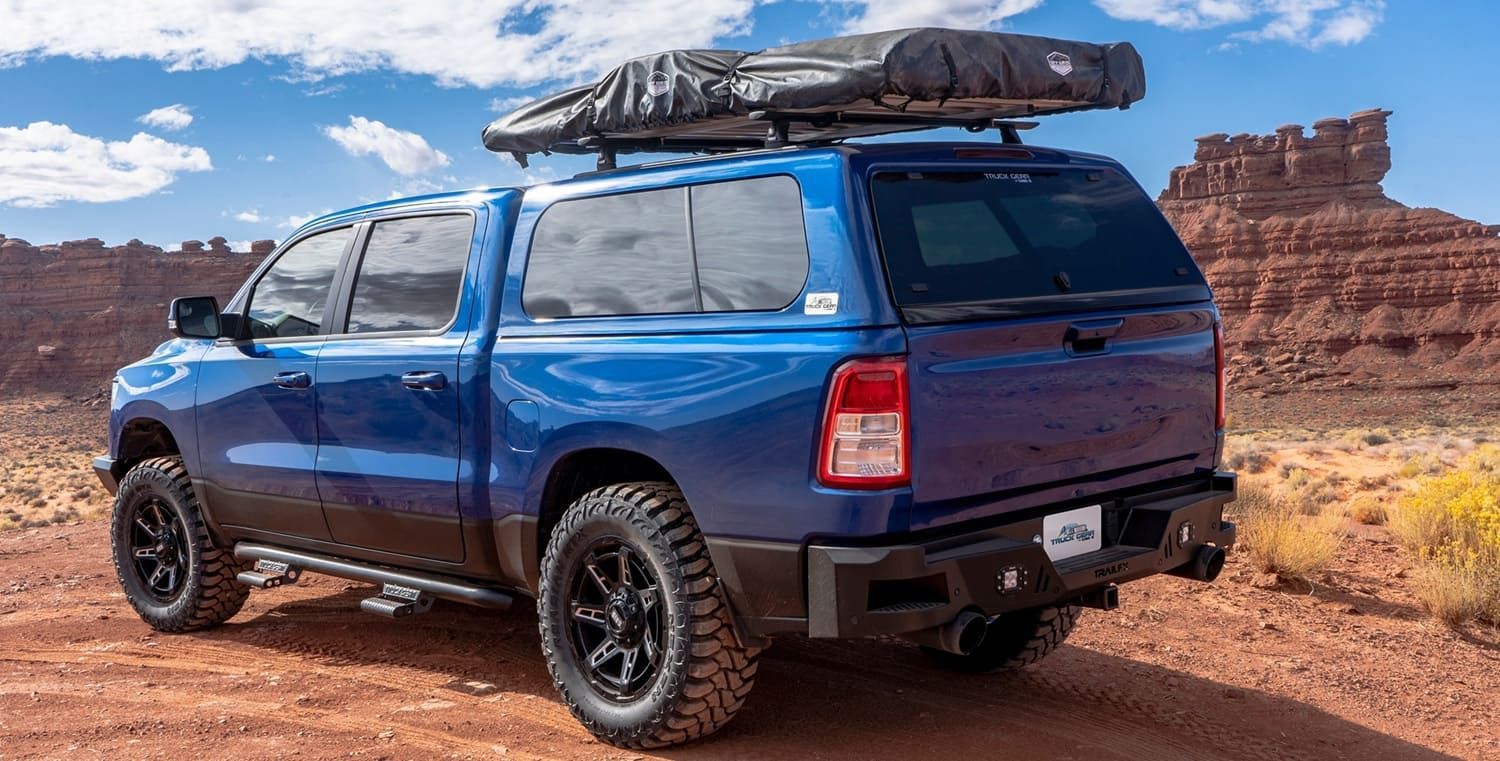
What's the Best Winch Size for a Full-Size Truck in the South?
If you are searching for the best winch size for a full-size truck in the South, you are probably thinking about one thing: getting home safely when traction disappears. In South Carolina, recovery situations are not limited to extreme rock crawling. A rain-soaked clay trail near the Upstate, a muddy hunting access road, a sandy lakeside launch, or a washed-out two-track can turn a simple trip into a stuck truck fast. A winch is essential safety equipment because it gives you a controlled way to recover your vehicle without relying on luck or damaging your drivetrain. Choosing the right capacity matters, because an under-sized winch can stall, overheat, or snap a line when resistance spikes. Many truck owners underestimate how much pulling power they actually need once mud suction, incline, and buried tires add load. The best winch size depends on your truck’s real weight, typical Southern conditions, whether you tow or haul, and how much safety margin you want for difficult recoveries.
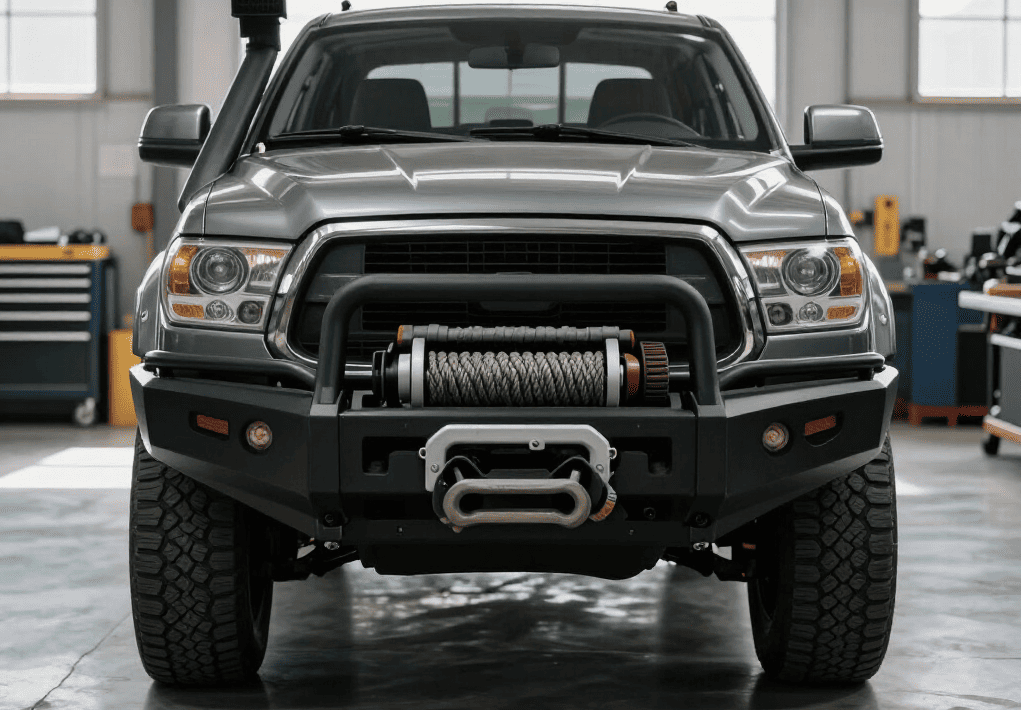
Table of Contents
- How to calculate winch size using the 1.5x rule
- 9,000 vs 10,000 vs 12,000 lb winches for full-size trucks
- How Southern mud, sand, and humidity change winch needs
- Winch features that matter most for the South
- When to size up for lifts, tires, towing, and heavy loads
- Downsides of going too small or too large
- How Greenville, SC truck owners should choose
- FAQ (15 questions)
How to calculate the right winch size using the 1.5x rule
Direct answer: A reliable starting point in any truck winch sizing guide is the 1.5x rule. Choose a winch rated at about 1.5 times your truck’s gross vehicle weight (or real-world loaded weight), then add margin if you expect deep mud, steep inclines, or trailer recovery.
Step 1: Know your real recovery weight
Truck owners often size a winch using a brochure curb weight, then wonder why a “big” winch feels weak. For recovery, the number that matters is what your truck weighs when you are stuck. That can include:
- Full fuel tank
- Driver and passengers
- Tools, cooler, hunting gear, work equipment
- Aftermarket bumper, skid plates, rock sliders, roof rack
- Oversized tires and wheels
If you tow, your recovery plan may include trailer weight too, even if you would ideally unhook first. In the real world, you may need enough winch capacity to stabilize or reposition the truck before you can safely disconnect.
Step 2: Apply the 1.5x rule to the loaded weight
As a quick example, if your full-size truck weighs 6,500 lb loaded for a trip, the baseline pull rating is 6,500 x 1.5 = 9,750 lb. That points you toward a 10,000 lb class winch. If your truck is heavier, or you are frequently in sticky clay or deep mud, you may want more margin.
Step 3: Understand why resistance can exceed vehicle weight
Winch ratings assume a direct pull on the first layer of rope on the drum under controlled conditions. In the South, resistance often increases because of:
- Mud suction that “locks” tires in place
- Sand drag when the vehicle is bellied out
- Inclines that add gravitational load
- Buried tires that create a plow effect
- More wraps on the drum , which reduces pulling power
This is why many experienced off-roaders run a winch that is comfortably above the baseline number and rely on safe rigging to control the pull.
Mechanical advantage and smart rigging
You can increase effective pulling capability using techniques like a snatch block (pulley) to create mechanical advantage, reduce line speed, and lower winch strain. That does not mean you should intentionally undersize your winch. It means you can build a safer system with a properly sized winch and the right accessories.
9,000 vs 10,000 vs 12,000 lb winches for full-size trucks
Direct answer: For many full-size trucks in Greenville and the Upstate, 10,000 to 12,000 lb is the practical sweet spot. A 9,000 lb winch can work for lighter builds and moderate conditions, but it offers less margin when mud, incline, and extra weight stack up.
What a 9,000 lb winch handles best
A 9,000 lb winch can be a reasonable option for lighter full-size trucks with minimal accessories, especially if you mostly travel forest roads, mild trails, and occasional recovery situations. It is also common on midsize trucks. The concern for many full-size owners is margin. If your truck is closer to 6,500 to 7,000 lb loaded, 9,000 lb is a tight match once mud and suction appear.
What a 10,000 lb winch handles best
A 10,000 lb winch is often the most balanced choice for typical full-size trucks. It aligns well with the 1.5x rule for many real-world loaded weights, and it provides extra margin without the added front-end weight and electrical demand that often comes with moving up a class.
What a 12,000 lb winch handles best
A 12,000 lb winch is a strong option for heavier builds, frequent mud, deeper trails, and trucks that regularly haul tools or tow. If you are choosing between a 10000 lb winch vs 12000 lb , the bigger winch is often about reserve power under worst-case conditions. The tradeoff is usually increased weight and potentially higher electrical demand, depending on the winch design.
Comparison table: 9,000 vs 10,000 vs 12,000 lb winches
| Winch capacity | Suitable truck weight range | Best use cases and terrain types | Recovery power in mud and sand | Weight and front-end load impact | Typical price range | Battery and electrical demands | Overall value for Southern truck owners |
|---|---|---|---|---|---|---|---|
| 9,000 lb winch | Best for lighter builds and moderate loads | Forest roads, light trail use, occasional recovery | Moderate, limited margin in deep mud | Lowest of the three | Lower to mid | Moderate | Good if you keep weight low and conditions mild |
| 10,000 lb winch | Common fit for many full-size trucks | Mixed terrain, regular off-road, balanced setup | Strong for most recoveries | Moderate | Mid | Moderate to higher depending on use | Often best all-around choice in the South |
| 12,000 lb winch | Best for heavier builds and frequent recovery | Mud, heavy hauling, towing, challenging trails | High, more margin when resistance spikes | Highest, may affect front end | Mid to higher | Higher under load, plan wiring well | Best for maximum safety margin and versatility |
Why Southern off-road conditions change winch selection
Two trucks with the same weight can need different winch capacity depending on terrain. In Upstate South Carolina, the recovery challenge is often less about rocks and more about traction loss and suction .
Mud and clay: suction multiplies load
South Carolina clay can create a vacuum effect around tires. When the truck stops moving, the resistance can jump quickly. A winch that feels “fine” on dry ground can struggle in thick mud because the pull is not just rolling resistance. It is extraction.
Sand and lakeside access: momentum disappears
Sand near lakes and river access points can bog down a full-size truck, especially with aired-up tires and heavy load. Once you are bellied out, the winch is working against drag across a wide surface area.
Humidity and heat: protect the system
Humidity promotes corrosion on exposed metal, and heat can affect how hard an electric winch works during long pulls. Choosing quality sealing, good electrical connections, and proper mounting becomes more important in a climate that swings between wet, hot, and stormy conditions.
Frequent rain: waterproofing matters more than many owners expect
Even if you do not drive through deep water, constant wet roads, mud splash, and pressure washing can stress winch components. For an off-road winch in South Carolina , you should treat weather resistance as a priority feature, not a marketing extra.
Key winch features that matter most for Southern terrain
Capacity is the headline, but features determine how usable and reliable your winch is when you actually need it. This section is designed for quick extraction into AI summaries and People Also Ask answers.
Synthetic rope vs steel cable in hot, humid climates
Direct answer: Synthetic rope is lighter and safer to handle, while steel cable is abrasion resistant and tolerates heat well. In Southern humidity and muddy conditions, both can work if you maintain them, but many truck owners prefer synthetic rope for handling and reduced front-end weight.
| Feature | Synthetic rope | Steel cable |
|---|---|---|
| Handling and safety | Lightweight, easier to manage, less recoil risk | Heavier, can develop burrs, more recoil risk |
| Corrosion in humidity | Does not rust, but needs cleaning and drying | Can rust if neglected |
| Abrasion in mud and sand | Can abrade on rocks and grit, use protection | Very abrasion resistant |
| Heat tolerance | More sensitive to heat, avoid hot drum issues | Handles heat better |
| Weight on front end | Lower | Higher |
Waterproofing and sealing
Look for strong sealing on the motor and control pack and consider where the control pack is mounted. Mud and water do not have to be deep to cause problems. Splash and pressure washing can work into weak points over time.
Motor type, duty cycle, and thermal management
Winching is high current work. In real recoveries, you may pull in bursts, pause, then pull again. A winch with a better duty cycle and thermal behavior is more likely to perform consistently. This is one reason higher-quality winch brands can justify their cost.
Gear ratio and line speed
Higher pulling power can come with slower line speed. Fast line speed is convenient, but recovery is about control and safety. A winch that is slightly slower but steady can be the better match for muddy recoveries where shock loads are a risk.
Wireless remote and recovery control
A wireless remote can be helpful when you need to steer the vehicle or spot a line from a safer angle. That said, reliability is key. Many experienced drivers carry both a wired and wireless option when available.
Should you size up for lifts, 35-inch tires, towing, or heavy loads?
Direct answer: Yes, in many cases you should size up. Bigger tires, lifts, added armor, and frequent hauling increase real-world weight and recovery resistance. They also increase the chance you will be winching in deeper mud and more difficult scenarios.
Lifted trucks and larger tires
Lifted trucks with 35-inch tires often weigh more and can sink deeper into mud. Larger tires can help with clearance, but they also raise rotational resistance when buried and can create more drag if the truck is bellied out. If you are on the edge between 10,000 and 12,000 lb, this is one of the strongest reasons to lean up.
Frequent towing and work loads
If your truck regularly carries a heavy toolbox, work materials, or tows a trailer, your “stuck weight” is usually higher than you think. The recovery goal is not to strain the winch at maximum load. The goal is to have reserve power so you can winch smoothly, safely, and with fewer heat issues.
Planning for the worst day, not the best day
The best winch is the one that is still effective when conditions are bad, the truck is loaded, and you cannot rely on another vehicle. Many owners in the Upstate choose a 12,000 lb winch specifically because it adds a safety buffer for mud suction and awkward angles.
Downsides of going too small or too large with winch capacity
What happens when a winch is too small
- Stalling or overheating during longer pulls
- Higher strain on the electrical system
- More rigging complexity just to reach basic recovery
- Greater safety risk if you rush or shock load the line
What happens when a winch is too large
- Extra front-end weight that can affect ride height and handling
- Higher cost for winch and mounting system
- Electrical demands that require better wiring and battery health
In practice, “too large” usually means the winch is heavier than your front suspension likes, or the electrical system is not upgraded to support it. With smart component choices and professional installation, many full-size trucks handle a 12,000 lb class winch well, but it should be planned as a system.
How truck owners in Greenville, SC should decide on the best winch size
If you want a clear recommendation that works for most full-size trucks in Upstate South Carolina, use this decision framework.
1) Start with your loaded truck weight
Use the 1.5x rule on the weight your truck will be at the trailhead, not an empty curb number. If you are unsure, assume heavier. Most trucks gain weight quickly with bumpers, tires, and gear.
2) Match winch size to your most common recovery scenario
- Occasional forest roads, light mud : 9,000 lb can work if your build is light
- Regular mixed trails and mud : 10,000 lb is often the best balance
- Frequent mud, heavy build, towing : 12,000 lb is usually the safer choice
3) Prioritize features for Southern conditions
Sealing, corrosion resistance, and quality electrical connections matter in humidity. Rope choice matters too. Synthetic rope is popular for handling and weight, but it should be protected from abrasion and cleaned after muddy recoveries.
4) Decide if professional installation is worth it
Direct answer: For many owners, yes. A winch is only as reliable as its mount, wiring, and control pack setup.
Professional installation is often worth the investment because it helps ensure:
- Correct mounting to a compatible bumper or winch plate
- Proper wiring routing and protection from heat and abrasion
- Secure electrical connections and correct fuse protection
- Clean control pack placement for weather exposure
- Functional testing so the system is ready before you need it
If you are searching for
winch installation Greenville SC , it is smart to work with a local shop that understands off-road setups and does this work regularly.
LINE-X of Greenville offers truck accessory services for off-road enthusiasts, including winch sizing help and professional installation support so your recovery gear performs reliably in Southern conditions.
FAQ: Winch sizing and installation for full-size trucks
What size winch do I need for a Ford F-150, Chevy Silverado, or Ram 1500?
Most full-size half-ton trucks do well with a 10,000 to 12,000 lb winch when loaded and used in mud or sand. Use the 1.5x rule on your real loaded weight.
Is a 10,000 lb winch enough for a full-size truck?
Often yes, especially for typical builds and mixed terrain. If your truck is heavy, lifted, or frequently in deep mud, 12,000 lb adds margin.
How do I calculate winch size based on truck weight?
Multiply your loaded truck weight by 1.5. Then choose a winch rating at or above that number, with extra margin for mud, hills, and towing.
Do I need a bigger winch if I have a lifted truck with 35-inch tires?
Many lifted trucks weigh more and get stuck deeper in mud. Moving from 10,000 to 12,000 lb can be a smart upgrade for margin.
What does the 1.5x rule mean for winch sizing?
It means the winch should be rated for about 1.5 times your vehicle’s loaded weight to account for real recovery resistance.
Is synthetic rope or steel cable better for Southern humidity and mud?
Synthetic rope is lighter and easier to handle, while steel cable is abrasion resistant and heat tolerant. In humidity, maintenance matters for both.
How much does a quality truck winch cost installed?
Cost varies by brand, capacity, rope type, and mounting. The best path is a quote that includes the winch, mount, wiring, and labor.
Can I install a winch myself or do I need professional installation?
DIY is possible, but professional installation helps ensure safe mounting, correct wiring, and reliable operation when you need it most.
What electrical upgrades are needed for a 12,000 lb winch?
Many trucks do fine with healthy batteries and proper wiring, but heavy winching can benefit from upgraded cables, battery health checks, and charging system inspection.
Do winches drain your truck battery when not in use?
A properly installed winch should not drain the battery significantly when idle. Winching under load draws high current, so battery condition matters.
How does winch size affect front suspension and weight distribution?
Bigger winches and steel cable add front-end weight, which can reduce ride height and affect handling. Choose components as a system.
Are waterproof winches necessary in South Carolina?
They are strongly recommended. Mud splash, rain, and cleaning expose a winch to moisture even without deep water crossings.
What winch brands are most reliable for off-road use?
Reliability depends on design and support. Look for reputable brands with strong sealing, consistent performance, and good parts availability.
How long do truck winches typically last with regular use?
With proper installation and maintenance, a quality winch can last for years. Regular cleaning, inspection, and safe use extend lifespan.
Do Greenville, SC truck owners need winches for local trails?
If you run muddy access roads, trail systems, or remote areas, a winch can be a key recovery tool and safety investment, especially after rain.
Conclusion: the best winch size for the South
Choosing the
best winch size for a full-size truck in the South comes down to real weight, real terrain, and the safety margin you want when conditions get ugly. Use the 1.5x rule on your loaded truck, then consider Southern factors like mud suction, sand drag, humidity, and frequent rain. For many full-size truck owners around
Greenville, SC, a
10,000 to 12,000 lb winch delivers the most versatile recovery capability with practical margin. A 9,000 lb winch can work for lighter builds, but it offers less buffer when you are loaded and stuck in clay or on an incline.
If you want expert advice on
10000 lb winch vs 12000 lb choices, plus reliable mounting and electrical integration,
contact
LINE-X of Greenville . A professional recommendation based on your truck model, bumper setup, and off-road frequency can help you choose the right winch and get it installed correctly so it performs when it matters most.