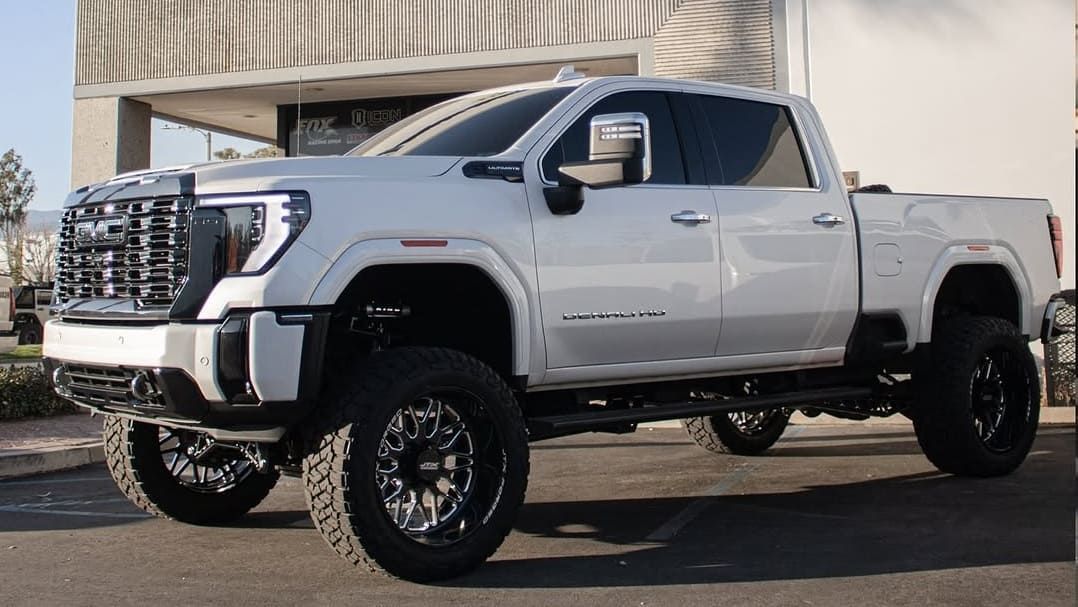
Which Tire Upgrade Improves Towing Stability Most?
Towing stability is not just about comfort, it is a safety requirement, especially on South Carolina highways where speeds are higher and crosswinds, passing semis, and uneven pavement can quickly expose weak links in a tow setup. When a truck or SUV feels “floaty,” starts to sway, or takes longer to stop, tire choice is often a hidden cause. Improper tire construction, low load capacity, soft sidewalls, or the wrong inflation pressure can increase trailer sway and lengthen braking distance, even when the hitch and brakes are set up correctly. That is why a tire upgrade for towing is one of the most overlooked ways to improve towing confidence. For drivers in
Greenville, SC and surrounding areas hauling boats, campers, work trailers, or equipment, the right tire upgrade can tighten steering feel, improve stability in lane changes, and support safer, more predictable braking. This guide explains which tire upgrades create the biggest towing stability improvements and how to choose them correctly.
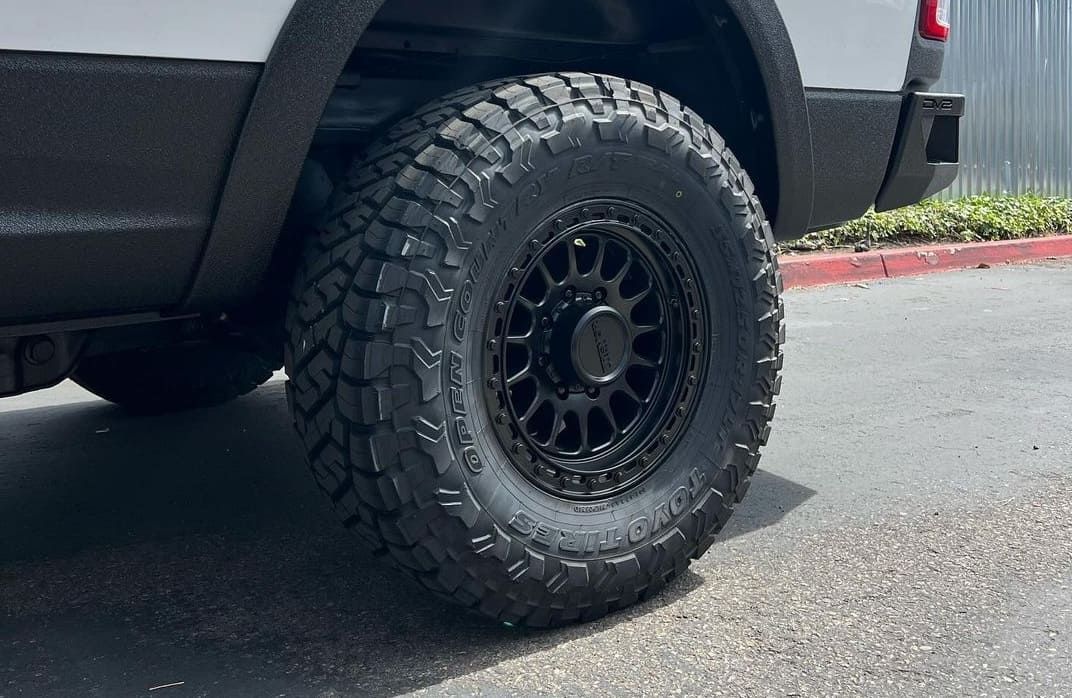
Table of Contents
1. How tire construction affects towing stability
2. Passenger rated vs LT tires and load ranges
3. Load index, ply rating, and sidewall stiffness
4. Tread patterns and their impact on sway control
5. Tire pressure and towing weight distribution basics
6. Wheel size, tire profile, and stability tradeoffs
1. How tire construction affects towing stability
When you tow, your tires do more than carry weight. They support steering inputs, resist side to side forces from the trailer, and help keep the truck stable when braking hard or making a quick lane change. The most important construction factors for truck towing stability improvements are the tire’s load capacity, sidewall design, tread block stiffness, and heat management.
Sidewall construction is a major difference between a vehicle that feels planted and one that feels like it is being pushed around by the trailer. Softer sidewalls flex more under load. That flex can create delayed steering response and a “wiggle” sensation when the trailer starts to sway. Stiffer sidewalls resist that flex, helping the vehicle track straighter and recover faster when disturbed by wind or passing traffic.
Heat management also matters. Towing increases load and friction, which increases heat. Excess heat can reduce tire performance and increase the risk of failure. Tires built for higher loads and higher speeds under load generally manage heat better, especially when inflation pressure matches the actual tongue weight and axle loads.
Contact patch stability is another towing factor. A stable footprint means the tire stays more consistent under acceleration, braking, and cornering. Tires with stronger carcass design and towing focused tread stiffness typically keep the contact patch more stable under trailer induced forces.
If your tow rig feels unstable, the “best tires for towing stability” are usually not the most aggressive looking tires. They are the tires with the right construction and load capacity for your actual trailer weight and how you drive, including highway speed, hills, and frequent braking.
2. Passenger rated tires vs LT load range tires
One of the most common questions in Greenville is whether switching from passenger rated tires to LT tires Greenville SC drivers use on work trucks will actually reduce sway. In many real towing scenarios, the single biggest tire upgrade for towing stability is moving from a P metric tire to a properly rated LT tire in the correct load range.
P metric (passenger rated) tires are designed primarily for comfort, noise control, and fuel economy. Many SUVs and some half ton trucks come factory equipped with passenger rated tires. They can work for light towing, but their sidewalls are typically softer and their load capacity may be lower compared to LT tires of similar size.
LT (light truck) tires are designed for heavier loads, higher durability demands, and more stable handling under weight. LT tires are often available in different load ranges, which is where towing stability improvements can become noticeable.
| Tire type | Typical benefit | Potential tradeoff | Best use case |
|---|---|---|---|
| P metric (passenger) | Smoother ride, lower noise | More sidewall flex under tow load | Light towing, daily driving priority |
| LT (light truck) | Higher load capacity, stiffer feel | Can ride firmer, sometimes heavier | Frequent towing and work loads |
Load ranges (often labeled C, D, E) indicate the tire’s load carrying capability and inflation pressure limits. Higher load ranges generally support higher loads and often have stiffer sidewalls, but they must be chosen correctly. The goal is not simply to buy the highest load range available. The goal is to select a tire with the right load capacity for your actual axle weights while delivering the stability you want.
For many trucks towing campers, equipment trailers, and boats around Greenville, upgrading to an LT tire with an appropriate load range is the upgrade that improves towing stability most, especially when the factory tire is a passenger rated design.
3. Load index, ply rating, and sidewall stiffness
Two tires can look similar and still behave very differently when towing. That difference often comes down to load index, construction strength, and sidewall stiffness. Understanding these terms helps you choose heavy duty tires for towing that match your trailer and driving conditions.
Load index is a numeric rating that indicates how much weight each tire can carry at a specified inflation pressure. When towing, you want enough capacity for your loaded axle weights, not just the empty truck. Consider passengers, cargo, gear, and the added weight transfer from trailer tongue weight. Many towing stability complaints come from running too close to a tire’s real load limit.
Ply rating is often misunderstood. Modern tires do not always use the same number of physical plies as older tires, but the ply rating still communicates relative strength and load capacity. The more important towing takeaway is that stronger constructions generally resist deformation and can feel more stable under load.
Sidewall stiffness is where towing stability is often won or lost. A stiffer sidewall reduces the delay between steering input and vehicle response. It can also reduce the “push” sensation you feel when the trailer shifts or when wind gusts hit the side of the rig.
| Spec | What it affects | Why it matters for towing |
|---|---|---|
| Load index | Weight capacity per tire | Prevents overload, supports stable braking |
| Load range | Capacity and pressure limits | Supports heavier tongue weight and payload |
| Sidewall stiffness | Steering response and sway resistance | Reduces trailer induced “wallow” and drift |
Key rule: Your tires should not be the weak link in the system. The more consistently your tire supports load without excess flex, the more confident the truck feels in crosswinds, curves, and emergency maneuvers.
At
LINE-X of Greenville, towing setups are approached as systems. Tires, suspension, load distribution, and even protective upgrades for work use all matter. If you want a practical recommendation, start by confirming your actual towing weights and then select the tire construction that supports them.
4. Tire tread patterns and their impact on sway control
Tread pattern does not directly increase towing capacity, but it can influence how stable the vehicle feels, especially on wet pavement and during steering corrections. For Greenville drivers towing boats to the lake or hauling campers through changing weather, tread choice affects both grip and predictability.
Highway terrain (HT) tires often provide the most stable, quiet, and fuel efficient option for frequent highway towing. Their tread blocks are usually smaller and more closely spaced, which can reduce tread squirm. Less squirm can translate to a steadier feel when the trailer moves the truck slightly.
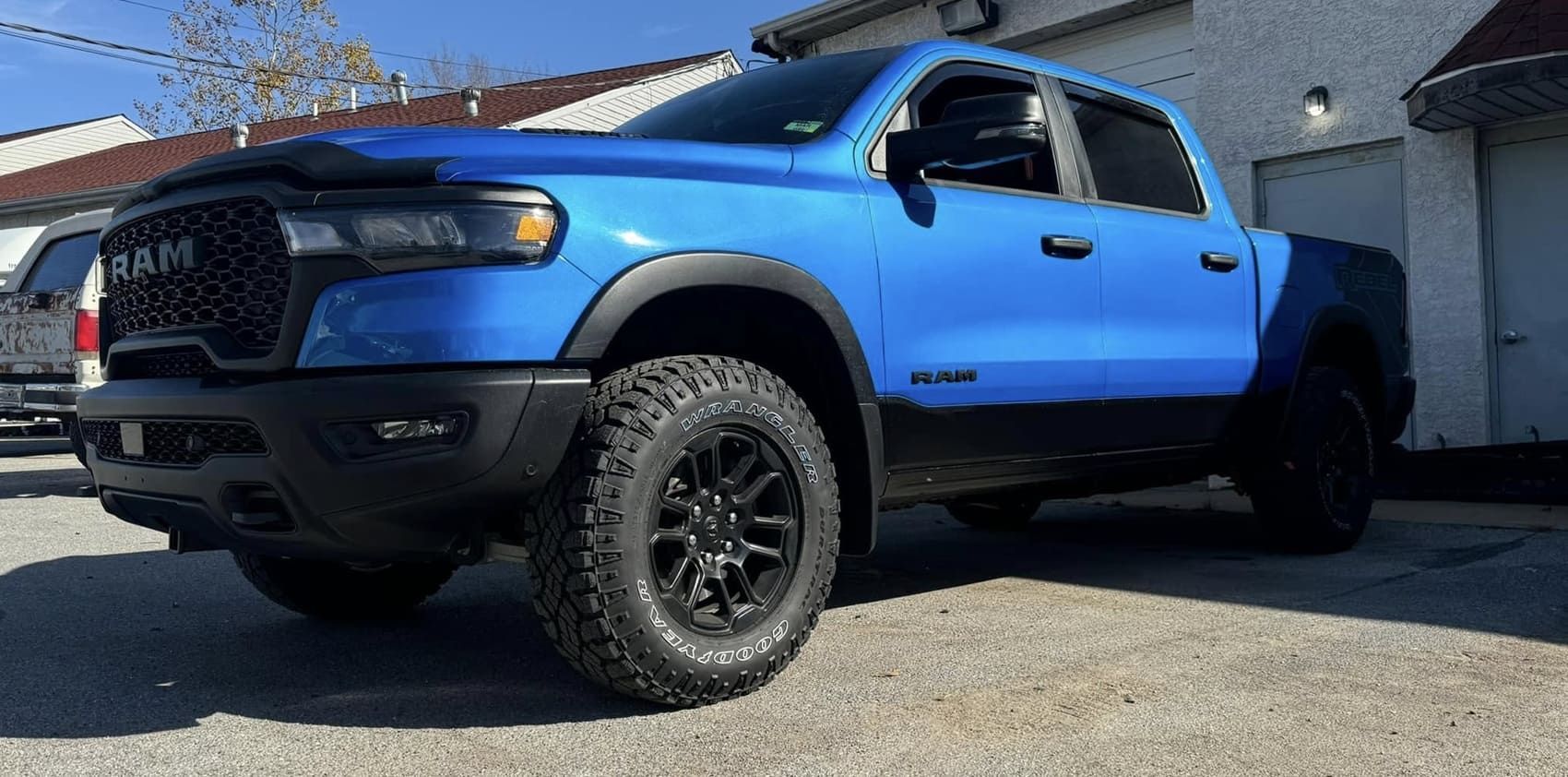
All terrain (AT) tires are popular because they work for both job sites and weekend trails. Some AT tires have larger tread blocks and deeper voids, which can increase movement in the tread under load. Not all AT tires feel loose, but it is a reason why some drivers feel more sway after switching to an aggressive AT in a lower load range.
Mud terrain (MT) tires are rarely the best match for highway towing stability. They can be louder and can have more tread movement, especially if the tire is not a towing focused LT construction. They also tend to be heavier, which can affect braking and acceleration feel.
| Tread type | Typical towing feel | Best match for |
|---|---|---|
| HT | Most stable on highway | Campers, equipment trailers, long highway trips |
| AT | Balanced, depends on construction | Mixed work and weekend towing |
| MT | Often less stable on highway | Off road priority, limited highway towing |
Bottom line: If stability is your top goal, choose a tread and compound designed for predictable highway grip and strong carcass support. The right LT construction matters more than the most aggressive tread design.
5. Proper tire pressure and towing weight distribution
Even the best tire upgrade for towing can be undermined by incorrect tire pressure or poor weight distribution. Towing stability depends on the relationship between tire stiffness, trailer tongue weight, and the balance of load across axles.
Tire pressure affects sidewall stiffness and heat. Underinflated tires flex more and build heat faster. That can increase sway and reduce braking confidence. Overinflated tires may feel harsh and can reduce traction in some conditions. The right towing approach is to set pressure based on real load and the tire’s load and inflation table.
Weight distribution also matters. Too little tongue weight can cause sway. Too much tongue weight can overload the rear axle and reduce front tire traction, making steering feel light. A weight distributing hitch can help restore balance, but tires still need to support the load correctly.
Practical towing pressure approach:
- Start with the vehicle and tire manufacturer guidance.
- Verify your actual trailer tongue weight and loaded axle weights.
- Adjust pressure within the tire’s safe range to match load.
- Recheck pressure before long trips, especially when temperatures change.
6. Wheel size, tire profile, and towing stability tradeoffs
Wheel size choices can change towing stability because wheel diameter affects sidewall height. In general, a taller sidewall can flex more, while a shorter sidewall can feel more responsive. That said, stability is not simply “bigger wheels are better.” The correct setup depends on tire construction, load rating, and how the vehicle is used.
Larger wheels with lower profile tires can reduce sidewall flex and may feel more precise. However, low profile tires can reduce pothole protection and may limit load range options depending on size. They can also increase wheel and tire cost.
Smaller wheels with higher profile tires often offer more sidewall compliance and better impact protection for rough roads and work sites. They can be an excellent towing setup when paired with a towing focused LT tire that has adequate sidewall strength and load capacity.
For towing stability, the most important point is this: choose a wheel and tire package that maintains proper load capacity and avoids excessive sidewall softness. If you are running a lift kit or aftermarket wheels, confirm that the tire size and load rating still support your towing goals.
7. When to upgrade tires for heavy duty towing needs
Many drivers wait to upgrade tires until they see uneven wear or the tread is low. For towing, it can be smarter to upgrade earlier if your current tires are not built for the load or the handling you need. Here are common signs it is time to move to a more towing focused setup.
- You feel sway even after adjusting hitch setup: This can indicate sidewall flex or insufficient load capacity.
- Your rear tires look overloaded when hitched: Squat plus soft tires can reduce steering stability.
- Frequent long highway towing: Heat management and stability become more important.
- Work towing with tools and payload: Payload plus tongue weight often demands LT tires.
- You upgraded trailer weight: If you moved to a heavier camper or equipment trailer, reevaluate tire capacity.
So which tire upgrade improves towing stability most? For many Greenville tow rigs, the biggest improvement comes from upgrading to a properly sized LT tire with the correct load range , paired with correct inflation pressure and a balanced weight distribution setup. That combination increases sidewall support and reduces the delay that can make sway feel worse.
LINE-X of Greenville is a trusted local expert for truck upgrades, protective coatings, and performance enhancements tailored to towing and work applications. If you want a towing focused recommendation, bring your truck or SUV details and your trailer specs. A small change in tire rating, load range, or size can make a noticeable difference in towing confidence.
FAQ: best tires for towing stability
Do LT tires improve sway control when towing?
Often, yes. LT tires typically have stronger construction and stiffer sidewalls than passenger rated tires, which can reduce the side to side flex that contributes to sway. The improvement depends on choosing the correct size and load range.
How does load range affect towing stability?
Higher load ranges generally support higher loads and may feel more stable due to stronger construction and higher allowable pressure. The best choice is the load range that matches your actual axle weights without creating an overly harsh setup.
What is the ideal tire pressure for towing?
The ideal pressure depends on the tire’s load and inflation table and your actual load. Many drivers use door placard pressure for empty driving and increase within safe limits for towing, but the most accurate method is setting pressure based on real axle weights.
Will a towing tire upgrade make the ride harsher?
It can. LT tires and higher load ranges can feel firmer, especially when the vehicle is unloaded. Many drivers accept this tradeoff for better towing stability, and choosing the right load range helps balance comfort and control.
Can the wrong tire size increase trailer sway?
Yes. Oversized tires with soft sidewalls or insufficient load capacity can add flex and delay steering response. Maintaining proper diameter and load rating is important for towing stability improvements.
Are all terrain tires bad for towing stability?
No, but they vary. Some all terrain tires are very stable when they are LT rated with a towing friendly construction. Very aggressive tread designs can feel less precise on the highway compared to a highway terrain tire.
Do I need to upgrade all four tires at once?
For towing and stability, it is strongly recommended to run a matching set so handling and traction remain consistent. Mixing tire types or wear levels can create uneven response.
Will LT tires work with my lift kit or leveling kit?
Usually, yes, but you must confirm clearance, correct load rating, and proper alignment. Lifted setups can change handling, so tire construction and pressure become even more important for towing.
What tire tread depth is safest for towing in rain?
Deeper, well designed tread helps evacuate water, but pattern and compound matter too. Replace tires before they reach low tread depth, especially if you tow in wet South Carolina weather.
How do I select the right tire size for towing stability?
Start with the manufacturer recommended size and confirm load index and speed rating. If you change size for appearance or clearance, make sure the new tire maintains adequate load capacity and does not introduce excessive sidewall flex.
Conclusion: the tire upgrade that helps towing stability most
If your goal is safer, more confident towing on Greenville area roads and South Carolina highways, the tire upgrade that most often delivers the biggest stability improvement is moving to a properly sized LT tire with the correct load range and a construction that emphasizes sidewall support. Pair that with correct tire pressure for your actual load and a balanced trailer setup, and you will usually notice better steering response, less sway, and more predictable braking.
For help choosing the best tires for towing stability and the right towing related upgrades,
contact LINE-X of Greenville . Our team can recommend towing focused tire and performance options that match your truck or SUV, your trailer type, and your real world hauling needs, so you can tow with more stability, safety, and confidence.