How Do Leveling Kits Affect Ride Quality and MPG on Trucks?
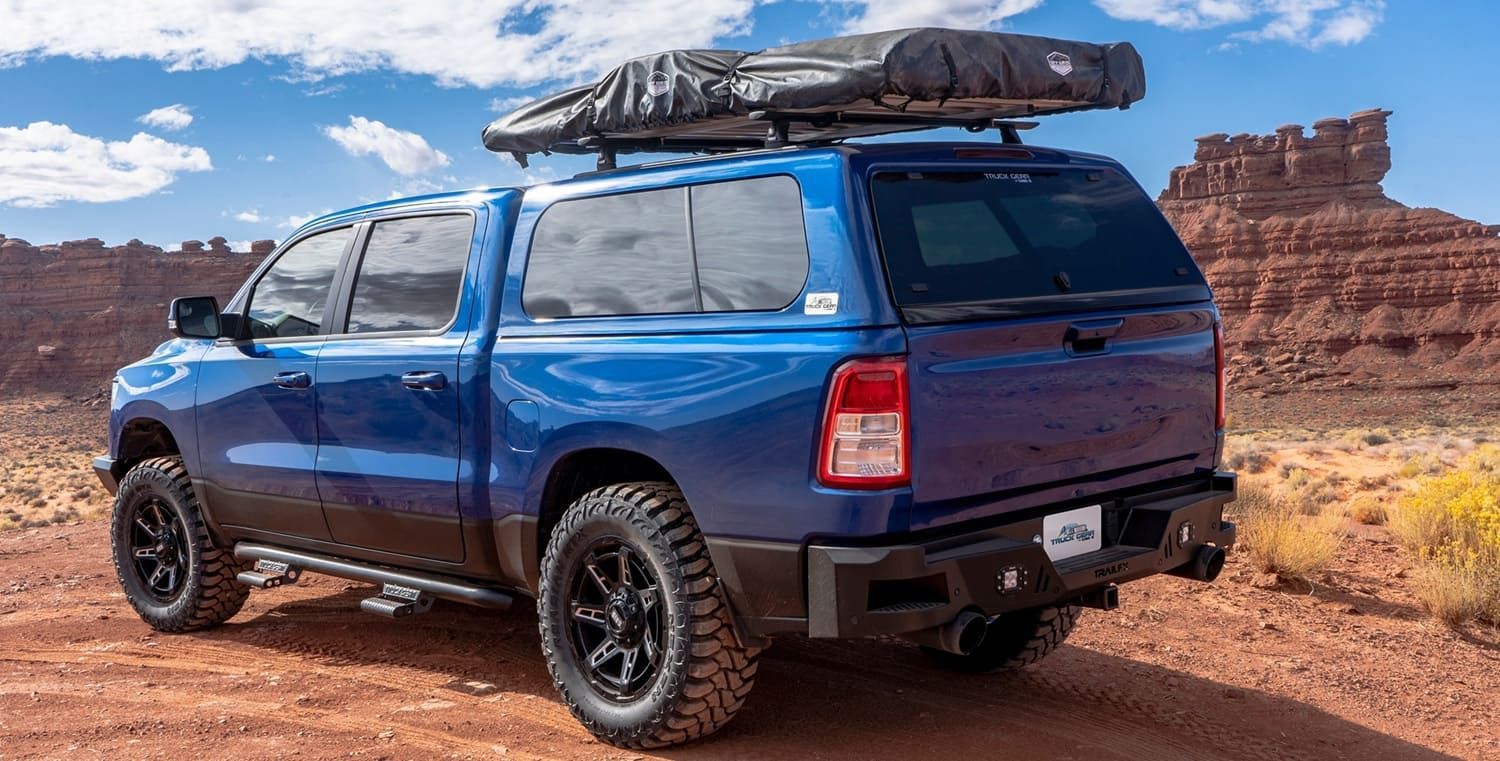
If you have been looking at leveling kits, you are probably chasing a simple goal: a tougher stance and a front end that sits level with the rear. Leveling kits have become one of the most popular truck modifications because they can improve appearance, reduce factory rake, and often help accommodate larger tires without the expense of a full lift. At the same time, many truck owners in
Greenville, SC and the Upstate worry about the downside. Will a leveling kit make the ride rough? Will it hurt gas mileage? Those concerns are valid, because changing front suspension geometry can affect comfort, handling, alignment, and aerodynamics. The good news is that leveling kits do affect ride quality and MPG to varying degrees depending on kit design, component quality, installation precision, truck model, and driving conditions. In real-world use, many owners find the trade-offs acceptable for the improved look and added capability, especially when the kit is installed correctly and followed with a proper alignment.
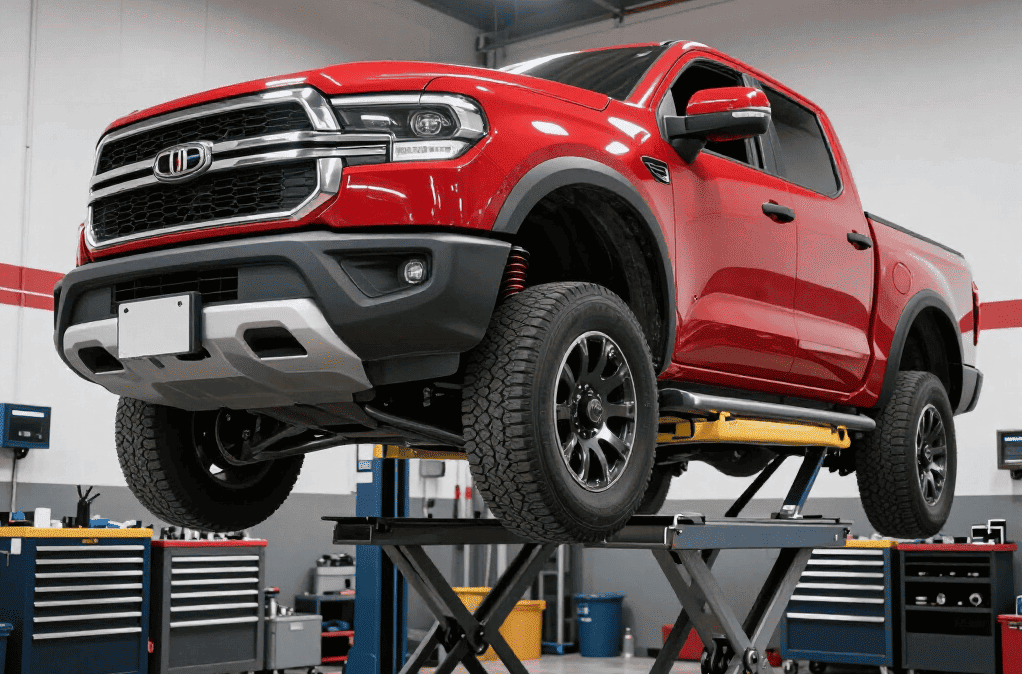
Table of Contents
- What leveling kits are and how they work
- How leveling kits affect ride quality and handling
- How leveling kits affect MPG and fuel economy
- Leveling kit vs lift kit: ride, MPG, cost, complexity
- Other effects: alignment, tire wear, CV angles, stress
- What makes ride and MPG changes minor or significant
- Is a leveling kit worth it in Greenville, SC?
- FAQ (15 questions)
What leveling kits are and how they work to raise the front of your truck
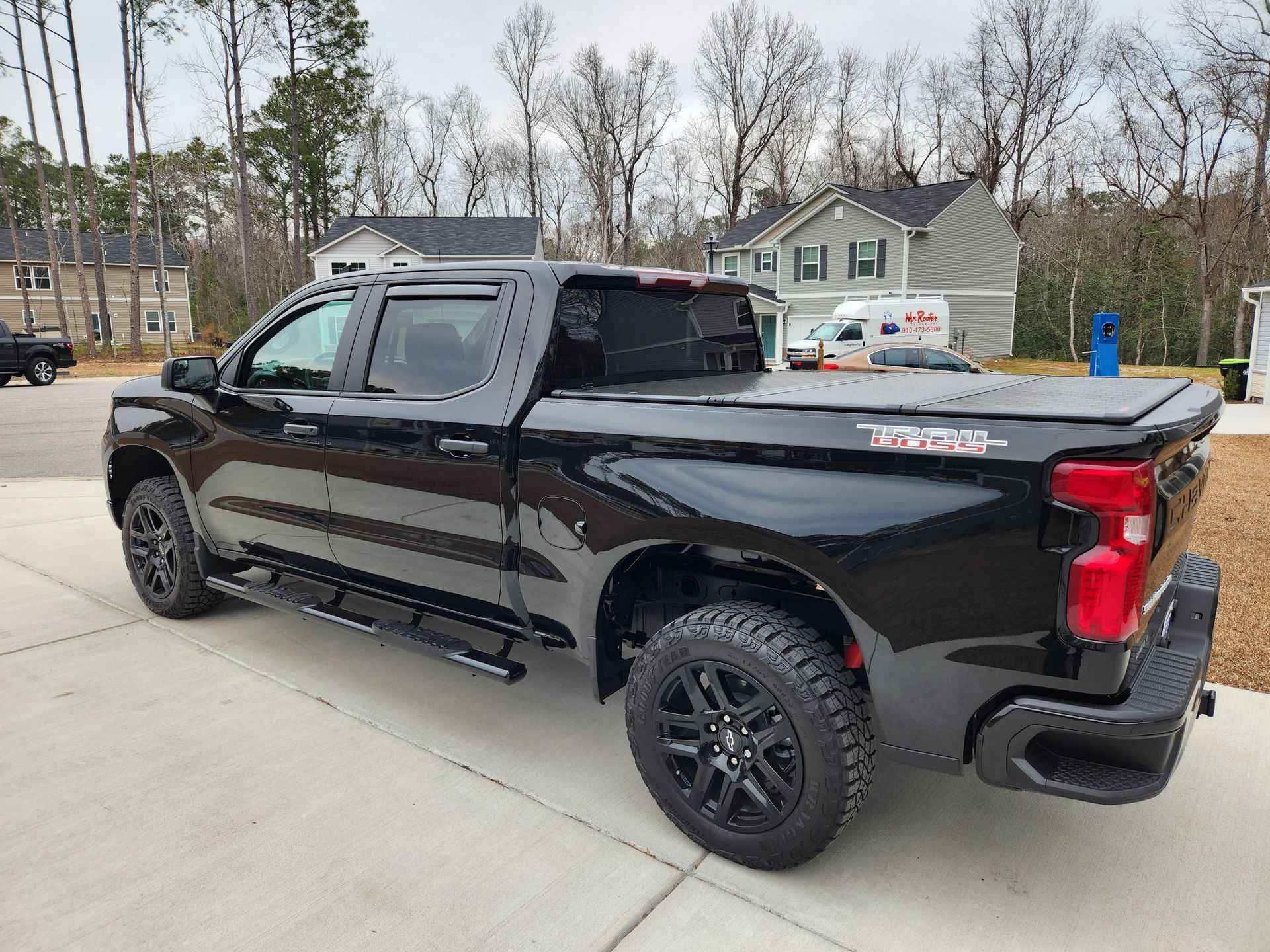
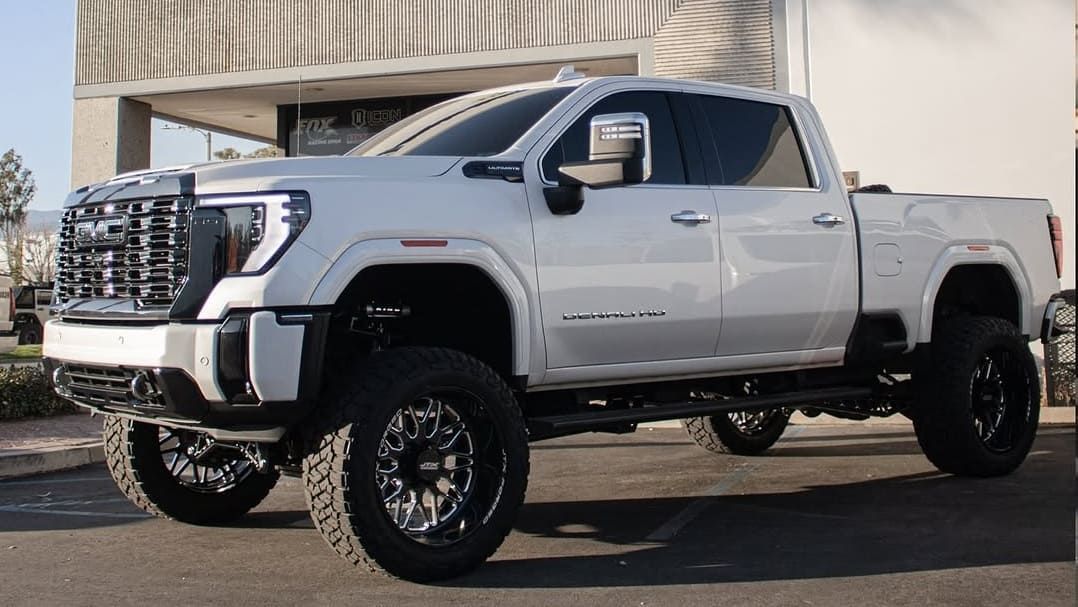
Direct answer: A leveling kit is a suspension modification that raises the front of the truck to reduce the factory nose-down rake. Most kits add roughly 1.5 to 3 inches of front lift using spacers, replacement struts, adjustable coilovers, or torsion key changes depending on the truck.
Why trucks sit lower in the front from the factory
Many trucks are built with factory rake so they sit level when hauling or towing. When you add weight in the bed or a trailer tongue load, the rear drops. The factory rake helps keep the truck stable and maintain headlight aim under load.
Common leveling kit types
- Spacer-style leveling kits : Add a spacer above or within the strut assembly to increase ride height.
- Strut replacement leveling kits : Replace the strut with a unit designed to provide lift and control.
- Adjustable struts or coilovers : Allow height tuning and can improve damping depending on quality.
- Torsion key leveling kits : Common on torsion bar front suspensions and adjust torsion preload.
Because kit design varies by truck platform, two leveling kits that both claim “2 inches” can feel very different on the road. That is a key reason the phrase leveling kit ride quality gets searched so often. It is not just about height. It is about geometry, spring preload, damping, and alignment.
How leveling kits affect ride quality, comfort, and handling
Direct answer: A leveling kit can make the front suspension feel firmer and can increase road harshness, especially over sharp bumps, but the effect ranges from barely noticeable to clearly stiffer depending on kit type, installation quality, and your tire choice.
1) Suspension stiffness and perceived harshness
Many spacer-style kits change the relationship between the suspension and the strut’s operating range. On some trucks, this can reduce available droop travel. Less droop can make the front end feel more “toppy” over expansion joints and potholes because the suspension has less room to extend and absorb. The result can be a firmer feel, especially at highway speeds on uneven pavement.
2) Highway comfort and daily driving in the Upstate
Greenville and Upstate roads include a mix of smooth highways, patched city streets, and rural two-lane surfaces. If your truck is used mostly for commuting and family driving, you will notice changes most in the first 30 days, because you already know how your truck behaves on your daily route. A quality kit with correct torque specs and alignment often keeps highway comfort in the “minor change” category. A cheap kit, rushed install, or oversized tires can push the change into “noticeably rougher.”
3) Steering feel and handling characteristics
Changing front ride height also changes suspension angles. Depending on platform, you may notice:
- More sensitivity to road crown or crosswinds
- Different steering return after turns if alignment is off
- Brake dive changes because front geometry and load transfer feel different
Most of these issues trace back to alignment and tire setup, not the leveling kit alone.
4) Off-road handling and traction
A leveling kit can help approach angle and clearance for mild off-road use. That said, ride quality off-road can be affected if droop travel is reduced or if the suspension tops out sooner. If you do more than occasional trail driving, consider kits that maintain good travel and use components designed for that use.
The real MPG impact of leveling kits: what changes and why
Direct answer: Most leveling kits cause a small MPG drop , often in the range of about 1% to 5% , but the biggest fuel economy change usually comes from tire size, tire weight, and tread type , not the leveling kit alone.
People search do leveling kits affect gas mileage because they want a clear number. The honest answer is that fuel economy depends on what else changes with the kit. A 2-inch leveling kit with stock tires may have a minor aerodynamic effect. A leveling kit plus wider all-terrain tires and heavier wheels can have a more noticeable impact.
1) Aerodynamic changes
Factory rake can help airflow. When you raise the front, you can increase frontal area and change underbody airflow. At highway speeds, small aerodynamic changes can influence fuel economy. This is why the leveling kit MPG impact tends to be more noticeable for drivers who spend a lot of time on I-85 and other higher-speed routes.
2) Tire size, weight, and rolling resistance
If you level a truck to fit larger tires, MPG can drop due to:
- More rotating mass that takes more energy to accelerate
- More aggressive tread that increases rolling resistance
- Wider footprint that can increase drag and scrub
- Changed effective gearing if overall tire diameter increases
For many truck owners, tires are the main driver of fuel economy loss. The leveling kit is often the enabling mod that allows the tire change.
3) Typical fuel economy loss percentages
In practical terms, here is what many owners experience:
- Leveling kit only, stock tires : often minimal change, sometimes hard to measure
- Leveling kit plus slightly larger tires : commonly a modest loss
- Leveling kit plus heavy wheels and aggressive all-terrains : more noticeable loss, especially in city driving
Your driving style also matters. Faster highway speeds, frequent stop-and-go, and heavy throttle magnify any aerodynamic and tire-related changes.
Leveling kit vs lift kit: ride quality, MPG, cost, and complexity
Direct answer: A leveling kit generally has less impact on ride quality and MPG than a full lift kit, costs less, and is simpler to install. Lift kits can provide more clearance and suspension travel, but they can also increase aerodynamic drag and alter steering and driveline angles more substantially.
Ride quality comparison
A quality leveling kit can keep factory-like comfort, especially with conservative height and proper alignment. A full lift kit introduces more changes across the suspension system. Depending on design, a lift kit can ride very well, but it requires more component integration.
MPG impact comparison
A lift kit typically raises the truck higher and is more likely to be paired with larger tires. Both factors can increase fuel economy loss versus a modest leveling kit.
Cost and installation complexity
A leveling kit is usually the best “stance per dollar” modification. A lift kit is a larger project with more parts and more setup requirements. Either one should be installed correctly and aligned.
Other effects: tire wear, alignment, CV axle angles, and long-term stress
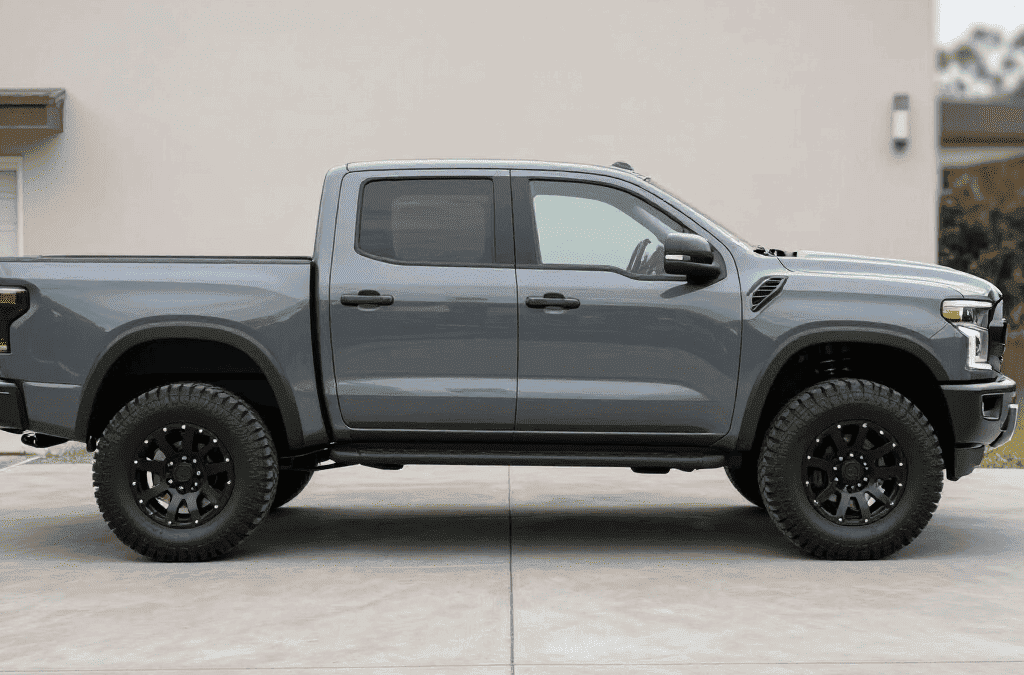
This is where many “I regret my leveling kit” stories come from. The issue is usually not that a leveling kit is inherently bad. It is that alignment, angles, and tire fitment were not treated as part of the system.
Alignment needs and why they matter
Direct answer: Yes, you typically need an alignment after a leveling kit.
Raising the front changes camber, caster, and toe. If you skip alignment, you can get:
- Pulling left or right
- Steering wheel not centered
- Uneven tire wear
- Reduced highway stability
Tire wear patterns
Uneven wear often shows up as inside edge wear or feathering if toe is off. It can also show up sooner on larger, heavier tires. Proper alignment and tire rotation become more important after suspension changes.
CV axle angles and front-end component stress
On many independent front suspension trucks, raising the front increases CV axle angles. Over time, increased angles can contribute to faster wear, especially if the truck is driven hard off-road. Keeping lift modest and using quality components helps reduce that risk.
Long-term suspension component stress
Ball joints, tie rod ends, and bushings are wear items. When angles change, wear patterns can change too. This is why many owners prefer conservative heights, quality kits, and professional installation to keep the truck dependable for daily driving.
What determines whether ride quality and MPG changes will be minor or significant
Direct answer: The biggest drivers are kit design and quality, installation precision, alignment, tire choice, and driving style.
Kit quality and design
Spacer kits can be perfectly fine for many drivers, but they are not all equal. Strut replacement or adjustable strut solutions can offer better control depending on brand and tuning.
Spacer-style vs strut replacement leveling kits
| Category | Spacer-style leveling kit | Strut replacement leveling kit |
|---|---|---|
| Ride quality potential | Can be close to stock, can feel firmer on some trucks | Often smoother and more controlled if well designed |
| Durability and long-term performance | Depends heavily on install and alignment | Often better for long-term if matched to use case |
| Cost | Lower | Higher |
| Best for | Budget stance improvement and mild tire upgrade | Owners prioritizing comfort and controlled handling |
Professional installation and torque specs
Fast installs and incorrect torque specs can lead to noise, bushing preload issues, and alignment problems. Professional installation can help ensure correct assembly and reduce the chance of vibrations or uneven tire wear.
Tire choices and driving style
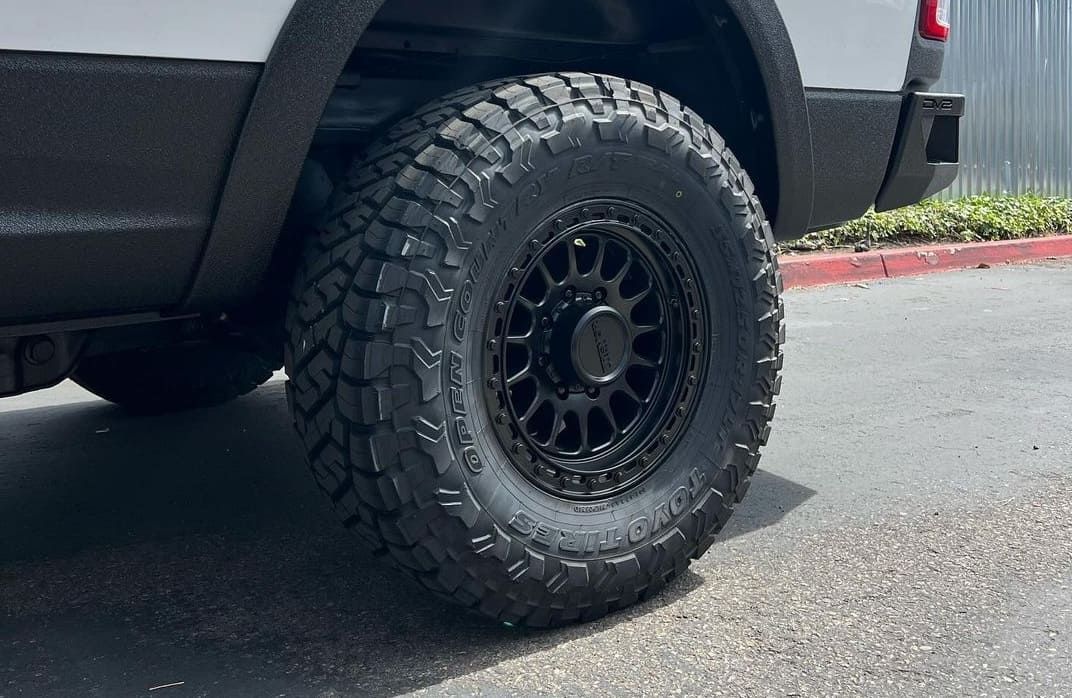
A leveling kit paired with heavy wheels and aggressive tires will often feel rougher and reduce MPG more than the kit alone. If ride and fuel costs are priorities, choose lighter wheels, moderate tire sizes, and a tread pattern that matches your driving.
How truck owners in Greenville, SC should decide if a leveling kit is worth it
Think of a leveling kit as a “trade-off decision.” You gain stance, clearance, and tire options, and you may give up a small amount of comfort and MPG depending on your setup.
Who leveling kits are best for
- Owners who want a more aggressive stance and reduced rake
- Drivers who want to fit slightly larger tires for capability
- Truck owners who can accept small changes in leveling kit ride quality and fuel economy
Who should be cautious
- Drivers who prioritize smooth, luxury-like ride comfort
- Owners who drive high mileage and track fuel costs closely
- Trucks that tow heavy frequently and rely on factory rake for load balance
Local installation matters
If you are searching for
truck leveling kit Greenville SC or
truck suspension Greenville , working with a shop that handles suspension installs regularly matters.
LINE-X of Greenville offers professional leveling kit installation and truck suspension services, including correct torque specs and alignment recommendations. Quality components and careful installation are the best way to minimize negative effects on comfort and fuel economy.
Comparison table: stock vs 2-inch vs 3-inch leveling kit
| Option | Front-to-rear stance and appearance | Ride comfort and harshness | Estimated MPG impact | Tire size capability | Installation cost and complexity | Highway driving characteristics | Overall value for priorities |
|---|---|---|---|---|---|---|---|
| Stock suspension | Factory rake | Baseline comfort | Baseline MPG | Stock or mild upgrades | None | Most predictable | Best for comfort and efficiency |
| 2-inch leveling kit | Noticeably more level, aggressive stance | Often minor change, depends on kit and tires | Often small loss, especially with stock tires | Supports modest tire upsizing | Moderate | Usually stable with proper alignment | Best balance for most owners |
| 3-inch leveling kit | Very level, more lift look | More likely to feel firmer or change angles | More likely to lose MPG, especially with tires | Supports larger tire options | Higher, may require more components | More sensitive to alignment and tire choice | Best for appearance and capability focus |
FAQ: Leveling kit ride quality and MPG
How much does a leveling kit affect MPG on a Ford F-150 or Silverado?
Many owners see a small MPG change. The biggest MPG drop usually comes from larger, heavier tires and aggressive tread, not the kit alone.
Do leveling kits make the ride rougher or stiffer?
They can. Some trucks feel slightly firmer, especially with spacer kits or reduced droop travel. Quality parts and correct installation help.
How do leveling kits compare to lift kits for ride quality?
A leveling kit usually changes ride less than a full lift. Lift kits can ride well, but they involve more changes and setup.
Do you lose fuel economy with a 2-inch leveling kit?
Often the MPG loss is small, especially on stock tires. MPG loss becomes more noticeable when you add larger tires and wheels.
What causes MPG loss with leveling kits?
Aerodynamic changes, larger and heavier tires, increased rolling resistance, and driving style are the main causes.
Do leveling kits cause premature tire wear?
They can if you skip alignment or if alignment is not within spec. Proper alignment and tire rotations reduce the risk.
Do I need an alignment after installing a leveling kit?
Yes, in most cases. Ride height changes affect toe, camber, and caster.
Do leveling kits affect highway driving comfort?
They can slightly change steering feel and bump response. Many drivers feel little difference with a quality kit and proper alignment.
How much does a leveling kit installation cost in Greenville, SC?
Cost depends on kit type, truck platform, and whether you add alignment or tire changes. A local quote is the best way to estimate.
How long do leveling kits last before needing replacement?
Many last for years. Lifespan depends on component quality, installation, and driving conditions.
Do spacer leveling kits ride worse than strut replacement kits?
Not always, but strut replacement kits often have better damping control. Spacer kits can feel firmer on some trucks.
Do leveling kits void your truck warranty?
Policies vary. Modifications can affect warranty coverage for related parts. Ask your dealer and keep documentation of professional installation.
What size tires can I fit with a leveling kit without rubbing?
It depends on truck model, wheel offset, and tire width. Many owners can fit a modestly larger tire with a 2-inch level, but verify fitment.
Does professional installation improve ride quality compared to DIY?
Often yes. Correct torque specs, proper assembly, and alignment help preserve comfort and reduce noise or tire wear issues.
Should Greenville truck owners choose leveling kits or save for a full lift kit?
If you mainly want stance and moderate tire clearance, leveling kits are usually the better value. If you need major clearance and off-road capability, consider a full lift.
Conclusion: realistic expectations for ride quality and MPG
A leveling kit can be a great upgrade for stance, tire clearance, and everyday capability, but it is not a free change. You should expect some level of trade-off in leveling kit ride quality and a potential leveling kit MPG impact , especially if you pair the kit with larger, heavier tires. In most cases, quality kits with professional installation and proper alignment result in minor to moderate changes that many truck owners find acceptable for the aesthetic and functional benefits.
If you want to level your truck while preserving comfort and minimizing fuel economy loss,
contact
LINE-X of Greenville for expert consultation and professional installation. A setup tailored to your truck model, tire goals, and daily driving needs is the best way to get the look you want without unnecessary performance trade-offs.